
TMJ Treatment
Relief for jaw pain, clicking, and tension headaches through a conservative, bite-focused approach.
Temporomandibular joint (TMJ) disorders cause persistent jaw pain, clicking or popping, difficulty chewing, and often headaches, ear pain, and neck tension. If your jaw wakes up sore or your headaches never quite go away, the problem may not be in your head, it may be in your bite.
Mercado Dental Studio treats TMJ the way the evidence supports: conservatively, starting with the least invasive options that address the real cause. For most people that means protecting the teeth from grinding and calming the overworked muscles that drive the pain.
Dr. Mercado builds each plan around your specific symptoms and their causes, drawing on custom nightguards, therapeutic Botox, and practical changes to the habits feeding the tension. The goal is durable relief, not a temporary patch.
Request an Appointment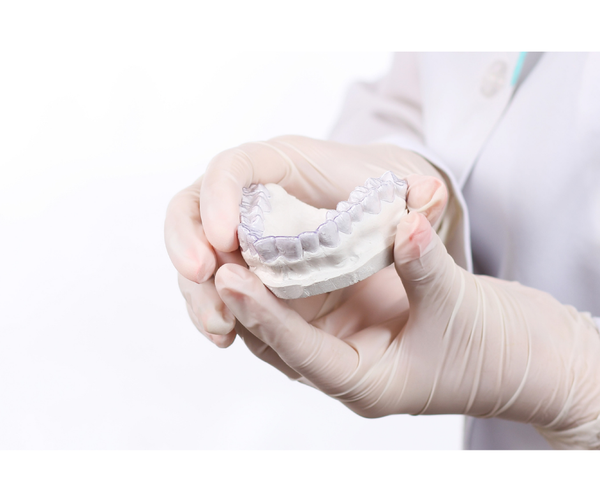
Understanding TMJ Disorders
The temporomandibular joint connects your lower jaw to your skull and lets you eat, speak, and yawn. TMJ disorder develops when the joint and the muscles around it are overworked, inflamed, or out of balance. The most common driver is parafunction: clenching and grinding, usually triggered by stress and usually worst at night.
The pattern is self-reinforcing. Overworked muscles create pain, pain and stress cause more clenching, and the extra force stresses the joint and wears the teeth. Breaking that cycle is the whole point of treatment, and it is why calming the muscles and protecting the teeth matter more than any single quick fix.
Left unaddressed, TMJ problems tend to worsen and can lead to chronic pain, cracked teeth, and damaged dental work. Early, conservative care usually prevents that and brings faster relief.
Common Signs of a TMJ Problem
TMJ symptoms are easy to miss because they show up in so many places. You may have a jaw-related problem if you notice several of the following:
- Jaw pain or tenderness, especially just in front of the ear
- Clicking, popping, or grating when you open or close
- Headaches that are worse in the morning or centered at the temples
- A jaw that feels tired, tight, or locks briefly
- Ear fullness or pain with no ear infection
- Neck and shoulder tension
- Worn, flattened, or chipped teeth, or a partner who hears you grind
One or two of these can be incidental. Several together, especially with morning pain, point toward clenching and grinding as the cause.
How Dr. Mercado Evaluates Your Jaw
Good TMJ treatment starts with a real diagnosis, not a guess. At your consultation, Dr. Mercado examines how your teeth come together, checks the jaw joint through its range of motion, feels for tenderness in the jaw and temple muscles, and looks for the tell-tale wear patterns that grinding leaves behind.
That exam tells him what is actually driving your symptoms, whether it is mostly muscle overactivity, a bite issue, joint strain, or a combination. From there he can match the treatment to the cause instead of treating everyone the same way.
A Conservative Treatment Path
Custom nightguards, the first line. A precisely fitted guard stops the teeth from grinding against each other and helps the jaw muscles relax overnight. Many patients get substantial relief from this step alone, and it protects natural teeth and cosmetic work at the same time.
Therapeutic Botox, when muscle force is the driver. When clenching is strong enough that a guard is not enough on its own, Dr. Mercado can add therapeutic Botox to the plan. Placed in the jaw-closing muscles, it reduces the force of clenching and grinding, which for many patients eases jaw soreness and tension headaches. It is used as part of a comprehensive dental treatment plan, typically alongside a nightguard rather than instead of one.
Habits and triggers. Awareness of daytime clenching, posture, and stress management all reduce the load on the jaw and help the other treatments hold.
When to escalate. A small number of cases involve structural joint or disc problems that need imaging or referral to a specialist. Dr. Mercado will tell you plainly if your situation calls for that, rather than cycling you through treatments that will not solve it.
Frequently Asked Questions
What is TMJ disorder, exactly?
TMJ disorder, or TMD, is a problem with the jaw joint and the muscles that move it. Most cases are muscular, driven by clenching and grinding that overwork the jaw. Symptoms include jaw pain, clicking, headaches, and difficulty chewing.
How do you treat TMJ without surgery?
The large majority of TMJ cases respond to conservative care. Dr. Mercado starts with a custom nightguard to unload the joint and protect the teeth, adds therapeutic Botox when muscle overactivity is a major driver, and addresses daytime habits and stress triggers. Surgery is rarely needed.
Will a nightguard fix my jaw pain?
For many patients, a properly fitted nightguard alone brings significant relief by preventing grinding and easing muscle tension. When pain is driven mostly by strong clenching, combining the guard with therapeutic Botox often works better than either treatment alone.
Are my headaches related to my jaw?
They can be. Tension headaches, especially ones that are worse in the morning or centered at the temples, are frequently linked to nighttime clenching and an overworked jaw muscle. Dr. Mercado can help determine whether your headaches are jaw-related and treat the source.
How soon will I feel better?
It depends on the treatment. Nightguard relief often builds over the first few weeks of consistent wear. When therapeutic Botox is part of the plan, most patients notice a difference within one to two weeks. Your plan is tailored to how your symptoms respond.
Find TMJ Relief
Schedule a consultation to have your jaw evaluated and get a plan built around your symptoms.